


Britain’s elite maritime special forces unit has restricted Chinese-made electric vehicles from entering its headquarters amid concerns that advanced vehicle technology could pose a security risk.
The Special Boat Service (SBS), based in Poole, Dorset, has reportedly prevented certain Chinese-manufactured electric cars from accessing the site over fears that data collected by onboard sensors could potentially be exploited for intelligence-gathering purposes.
According to defence sources, a soldier driving a Chinese-built Volvo was refused entry to the SBS base last year as a precautionary security measure. The source said the vehicle was not permitted onto the site and had to remain outside the perimeter.
The reported restriction is believed to be one of the first publicly disclosed examples of a British special forces facility limiting access to specific electric vehicles on security grounds. Defence sources also suggested that similar restrictions are understood to be in place at a number of other military establishments.
The concerns centre on the increasingly sophisticated technology fitted to modern electric vehicles. Many contain high-definition cameras, radar systems, ultrasonic sensors and other equipment designed to assist navigation, monitor surroundings and support driver-assistance functions.
Security experts have warned that such systems can collect large amounts of data about the environment in which a vehicle operates. In theory, this information could reveal details about military facilities, security arrangements and patterns of activity if accessed by hostile actors.
The issue has drawn particular attention because of Chinese laws that allow authorities to require companies to provide data for national security purposes.
Joe Jarnecki, a research fellow specialising in cyber and technology issues at the Royal United Services Institute, said many connected vehicles may lack sufficient safeguards to resist pressure from state actors with extensive legal powers.
The reported restriction comes amid broader warnings from British intelligence agencies about Chinese espionage activities.
Last year, MI5 Director General Sir Ken McCallum described China as a continuing national security challenge for the United Kingdom. More recently, security officials have warned that Chinese intelligence services have sought to target British government and military personnel through professional networking platforms.
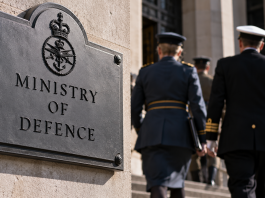
The Ministry of Defence does not operate a blanket ban on electric vehicles at military sites. However, individual base commanders are understood to have the authority to introduce local security measures where they consider them necessary.
Defence officials have also recently issued guidance advising military personnel not to discuss sensitive information while travelling in vehicles, reflecting concerns that modern connected technologies could potentially be exploited for surveillance purposes.
The issue extends beyond passenger cars. British authorities have previously examined concerns surrounding Chinese-built transport vehicles after investigations in Norway and Denmark found that certain buses manufactured by Chinese company Yutong could be controlled remotely by the manufacturer.
Volvo, which is owned by Chinese automotive group Geely, has previously stated that it handles customer data in accordance with applicable laws and would not provide information to foreign state actors.
A spokesperson for the Ministry of Defence said the department takes the security of personnel, information and defence assets extremely seriously and that all electric vehicles are subject to strict security procedures designed to protect sensitive information.
The Chinese Embassy in London rejected the allegations, describing them as unfounded. A spokesperson said China opposes the over-extension of national security concerns and called for Chinese companies to be treated fairly in the UK market.
The developments come as governments across Europe and North America continue to examine the security implications of connected vehicles and other technologies manufactured by foreign companies operating in sensitive sectors.

Nearly 4,000 comments have been submitted to Andy Burnham- ask me anything- he will start answering questions at 5pm – sky news live news