Labour’s new National School of Government was sold as the way to bring civil service training in-house, yet the two big accountancy firms that have trained Whitehall since 2020 will keep doing so until 2028 under contracts handed over without competition.
Written answers show £114 million went through their training contracts last year, and that setting up the school itself cost £286,117 in outside consultants, advisers and agencies.
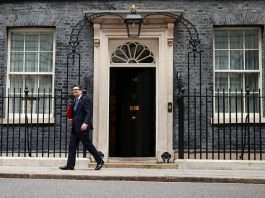
The figures were given on Tuesday by the Cabinet Office minister Mark Ferguson, in reply to the Conservative MP Alex Burghart. In 2025-26 departments spent £83.6 million through the central learning contract held by KPMG and £30.6 million through the one held by EY. The year before, the total was £114.3 million, and in 2023-24 it was £124.7 million.
Those deals date from 2020, when both firms won places under a Crown Commercial Service framework. EY’s contract is worth up to £195 million, and £161.6 million had been spent by the end of September. KPMG’s first contract, worth up to £237 million, ended in 2024 after £235.1 million was spent. It was followed by a direct award to KPMG worth up to £186 million, of which £167.6 million has now been paid. Across the three contracts, that is more than £564 million.
More is to come. In July the Cabinet Office said it would give both firms fresh contracts without a tender. Award notices put them at up to £266 million for KPMG and £114 million for EY, excluding VAT, running from 19 October 2026 to 31 March 2028. Including VAT, the combined ceiling is about £456 million.
The department’s justification was that a change of supplier would bring ‘disproportionate technical difficulties’ while the new school was being built. Mr Ferguson said the contracts are ‘pay as you use’, with no guarantee of volume or value.
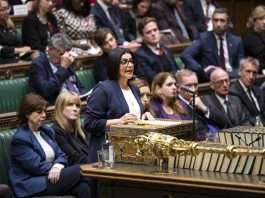
The school was formally launched on 26 October. In a statement to MPs that day, Mr Ferguson said it would bring civil service learning ‘under one roof’, designed and delivered ‘by civil servants, for civil servants’, with outside help used only ‘where this genuinely adds value’. The launch press release said bringing training in-house ‘will also reduce spending on external training over time’.
When the school was first announced in January, the then chief secretary to the Prime Minister, Darren Jones, said it would be paid for from existing budgets and would ‘save tens of millions of pounds of taxpayers’ money’.
Neither the statement to Parliament nor the launch press release put a figure or a date on that saving.
Setting up the school has needed outside help of its own. Mr Ferguson said the Cabinet Office had spent £286,117 on external consultants, advisers and agencies since 20 January. That included £15,134 paid to the advertising group Omnicom for the strategy, implementation plan and evaluation framework for a pilot ‘behaviour change campaign’ on civil service learning. Asked about the use of consultancies and ad agencies, the minister said ‘proportionate use of expert external organisations’ had helped establish the school.
The school’s budget for this year is £172 million, but £138 million of that is for the Fast Stream graduate scheme, including trainees’ salaries, which already existed. It has the equivalent of 391 full-time staff. Its residential campus, The Hawkhills at Easingwold in North Yorkshire, was already the home of the Cabinet Office’s UK Resilience Academy, with 102 bedrooms, under a contract that runs to April 2028. The minister gave no capital or running costs for the school’s use of the site, saying longer-term costs will be finalised alongside its operating model.
Ministers do have a case. The Cabinet Office says these are training contracts, not consultancy, and that the deals planned under the previous Conservative government would have been worth roughly £2 billion. It says consultancy costs were cut by more than £600 million last year, and it has promised to halve it as part of £2 billion a year in administrative savings by 2030.
But the test for a school built to cut reliance on outside firms is how much less those firms are paid, and when. Last year’s spending through the central KPMG and EY contracts was almost exactly the same as the year before, and those contracts do not cover all of Whitehall’s training budgets.
The new contracts run until 31 March 2028. Until then, KPMG and EY can be paid up to £380 million, before VAT, to keep training Britain’s civil servants.