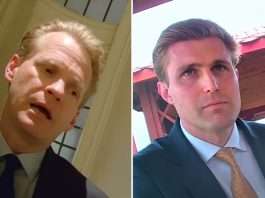
In a major boost to his Conservative Party leadership bid, Robert Jenrick has secured the endorsement of former Home Secretary Suella Braverman, who is backing him for his pledge to withdraw the UK from the European Convention on Human Rights (ECHR).
This bold stance has become a central plank of Jenrick’s leadership campaign, as he positions himself as the candidate to tackle the immigration crisis head-on.
Braverman’s endorsement is a significant coup for Jenrick, given her influence on the right wing of the party and her credentials as a hardliner on immigration and Brexit. A key figure among the original Spartans, the group of Tory MPs who led the rebellions over Theresa May’s Brexit deal, Braverman praised Jenrick’s “conviction and courage” for quitting his role as Immigration Minister earlier this year. Jenrick resigned in protest, arguing that Prime Minister Rishi Sunak’s Rwanda deportation plan did not go far enough.
Writing in the Telegraph, Braverman said, “Robert Jenrick has laid out a clear, unambiguous plan to address the issues that matter most to our voters. His decision to resign from government was a powerful statement of principle, demonstrating the kind of conviction and courage that we need in a leader.”
Jenrick’s promise to pull the UK out of the ECHR has struck a chord with the party’s right, particularly after months of frustration over the government’s inability to stop the influx of small boats crossing the Channel. Braverman described Jenrick’s plan to reform migration policy, which also includes a cap on visas, as “the foundation upon which we can rebuild trust and win back millions of voters who have lost faith.”
This endorsement throws a spotlight on the battle lines drawn between Jenrick and his rival, Kemi Badenoch. Badenoch, currently Shadow Housing Secretary, has indicated she too is prepared to withdraw from the ECHR if necessary but has been more cautious, stating that leaving the convention alone will not solve the immigration crisis.
The relationship between Braverman and Badenoch has been strained in recent months, particularly after Badenoch reportedly suggested this summer that Braverman was having a “very public” nervous breakdown over her critiques of the Tory leadership. Braverman hit back, questioning whether such comments were appropriate for someone aiming to be the next party leader. However, it is understood that the two have since met privately to smooth over tensions.
Braverman’s decision to throw her weight behind Jenrick sends a strong message about the direction she believes the Conservative Party should take. In her Telegraph article, she stated, “We must show that we are not simply content with managing decline or offering half-measures. Our vision must be bold, rooted in the values that have always made our party strong: responsibility, fairness, and opportunity for all.”
As the leadership contest narrows, Jenrick’s tough stance on immigration and his willingness to challenge international legal frameworks has garnered him a loyal following within the party. With Braverman’s backing, Jenrick will hope to consolidate his support among the grassroots and present himself as the candidate best equipped to deliver the decisive leadership the party needs.
The leadership race now enters its final stages, with Jenrick and Badenoch going head-to-head for the top job. Both candidates have made it clear that immigration is a defining issue, but Jenrick’s uncompromising approach, combined with the influential backing of Suella Braverman, could well tip the balance in his favour as the Conservative Party looks to restore its authority and win back voters.